15 student designers, 90 outfits: Nairobi fashion show demonstrates how Estonia and Kenya are working together to give new value to textile waste
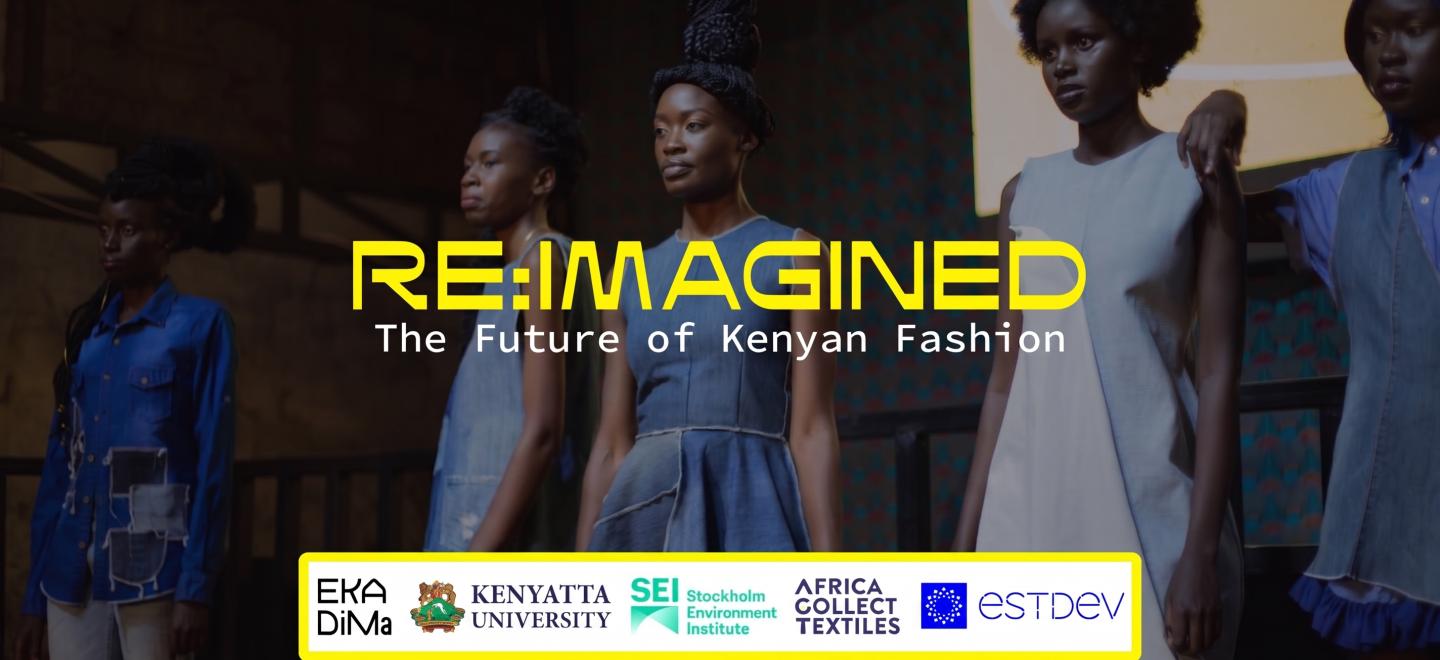
Kenya receives tons of secondhand clothing, and locally manufactured textiles generate offcuts, which often go unused. Now, young designers at Kenyatta University are getting creative and turning this textile waste into a valuable resource.
As part of a circular design project supported by the Estonian Centre for International Development (ESTDEV), their ideas have made it onto the runway. Students at Kenyatta University have learned from Estonian and Kenyan experts how to use textile waste as a starting point for new designs. However, the project focused on more than just sewing and technical design skills. An equally important goal has been to change mindsets: future designers were taught to consider material use, waste generation and the entire lifecycle of a product from the very beginning of the creative process. This approach makes sustainability a natural starting point for design rather than something added afterwards.
The collections presented on the runway by the young designers demonstrated that circular design does not mean putting limits on creativity. On the contrary, inspiration came from Kenyan traditions and nature, African patterns, imagination and international trends. Some collections were expressive and theatrical, while others were more functional and minimalist. What united them was the understanding that good design and skilled craftsmanship can give discarded materials entirely new value. The fashion show highlighted the fresh perspectives of Kenya's young designers and demonstrated how sustainability and local culture can complement one another.
Circular design becomes part of university life
The collections were created at the Circular Design Centre at Kenyatta University, established with support from ESTDEV in collaboration with the university, the DiMa Circular Design and Materials Research Group at the Estonian Academy of Arts, Africa Collect Textiles and SEI Tallinn. The centre allows students to experiment with circular design principles, work with textile offcuts and secondhand clothing, and use equipment to transform materials into new products. Their studies are supported by mentors from both Kenya and Estonia.
From a long-term perspective, one of the project's most important achievements is the integration of circular design into the curriculum at Kenyatta University. The aim was to create an environment where emerging designers can develop the skills needed by Kenya's more sustainable textile sector.
The Circular Design Centre also connects creative work with entrepreneurship. Students learn how to develop business models and market their creations so that products based on circular economy principles can successfully reach the market. As a result, textile waste is no longer viewed solely as an environmental problem. It can also become a resource for local businesses and an opportunity to create jobs in Kenya.
Alongside the fashion show, Kenyatta University brought together researchers, lecturers, entrepreneurs and other textile sector stakeholders to discuss the systemic changes needed to create a more circular textile sector in Kenya.
The discussions focused on two key questions: what legislation and practical measures are needed to prevent, collect and add value to textile waste, and how can designers and entrepreneurs turn waste into new products and viable businesses?
SEI Tallinn presented its latest study on post-industrial textile waste and circular manufacturing. Kenyan company Africa Collect Textiles, meanwhile, shared its work on collecting, reusing and recycling secondhand clothing and footwear, as well as its plans to make the secondhand textile system even more efficient.
All these efforts serve a common goal: supporting the development of a comprehensive circular textile system in Kenya.
ESTDEV funded the Nairobi circular design project through its 2025 funding call for African countries, which prioritised innovation and the green transition. The project is being implemented in collaboration with Kenyatta University, the DiMa research group at the Estonian Academy of Arts, Africa Collect Textiles and SEI Tallinn.
Related Articles