Andrea Kivi: The Ukrainian state must continue to function, even in the depths of winter
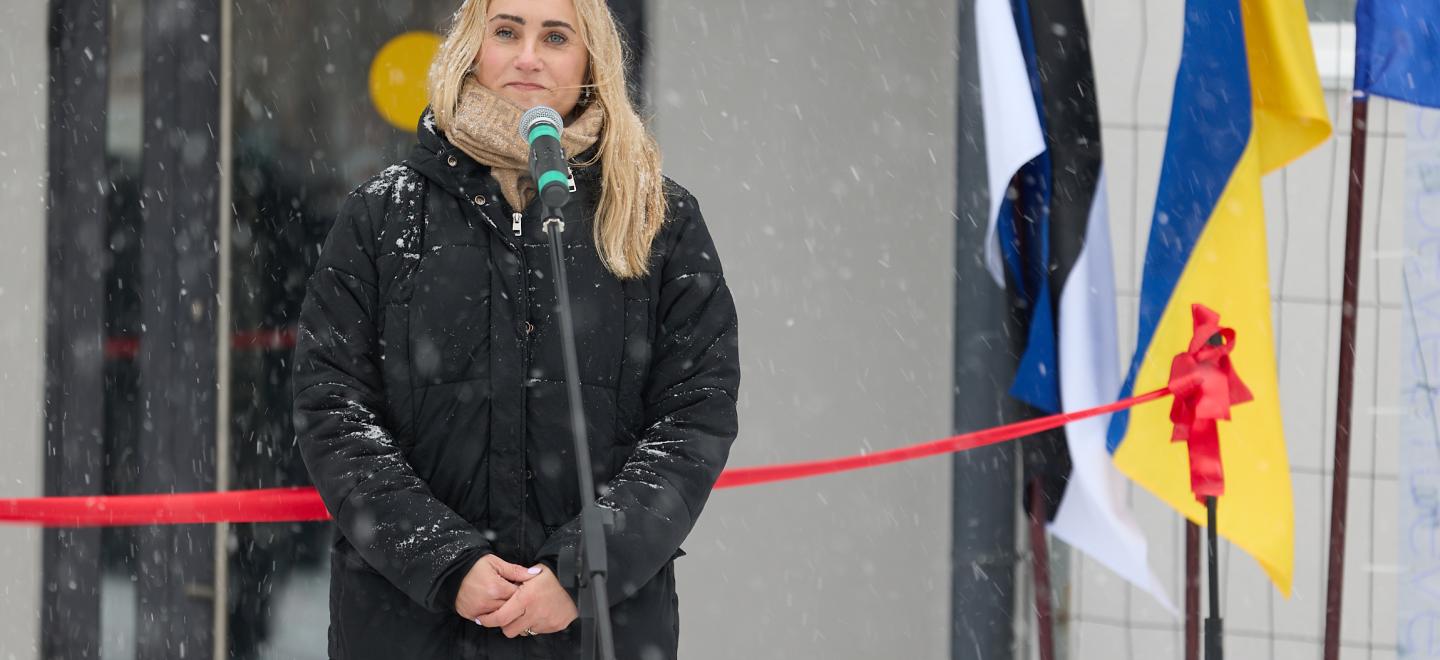
Andrea Kivi, CEO of the Estonian Centre for International Development (ESTDEV), recently visited Ukraine and saw firsthand why supporting the resilience of the Ukrainian state is critical, especially during the upcoming winter.
Article was published in Estonian by ERR on 14 October 2026.
During a warm, sunny week in September, I visited Kyiv and Zhytomyr, where I met Ukrainian ministers and deputy ministers responsible for education, digitalisation and healthcare. I also spoke with journalists, school principals, teachers, shop assistants and many others. They are all living through their fifth year of war. One concern stood out sharply in our conversations, outweighing everything else and recurring time and again: the winter that lies ahead.
Although dark, cold winters are nothing new to Ukrainians, and power and heating outages have become an unavoidable part of everyday life, previous experience does nothing to make the coming winter any easier. Even though temperatures in Kyiv climbed well above 25°C during the week of my visit, people were already thinking about freezing temperatures and the horrors they would bring. Russia's deliberate strategy is to exhaust Ukraine's population physically and mentally by weaponising the cold and dark.
We Estonians may think we understand winter. But in Ukraine, what matters in winter is whether the country's essential functions keep operating. Can a family with small children, elderly relatives and pets get down from a high-rise building to a shelter if the lift stops working because of a power outage? Can a child eat and study at school? Does life literally go on?
In January 2026, Russian attacks left people in Kyiv without heating, water or sewage services for weeks, with temperatures plunging outside during what was the coldest winter in decades. In one of Kyiv's worst-affected districts, temperatures in thousands of homes and schools hovered around zero for weeks, to say nothing of the many other things that depend on electricity and were also unavailable. In some kindergartens and schools, temperatures fell to as low as 10°C despite generators running.
These are just a few examples illustrating the Ukrainian education system's critical need for flexibility, so that children can continue their education even when classes cannot take place and they have no access to the internet.
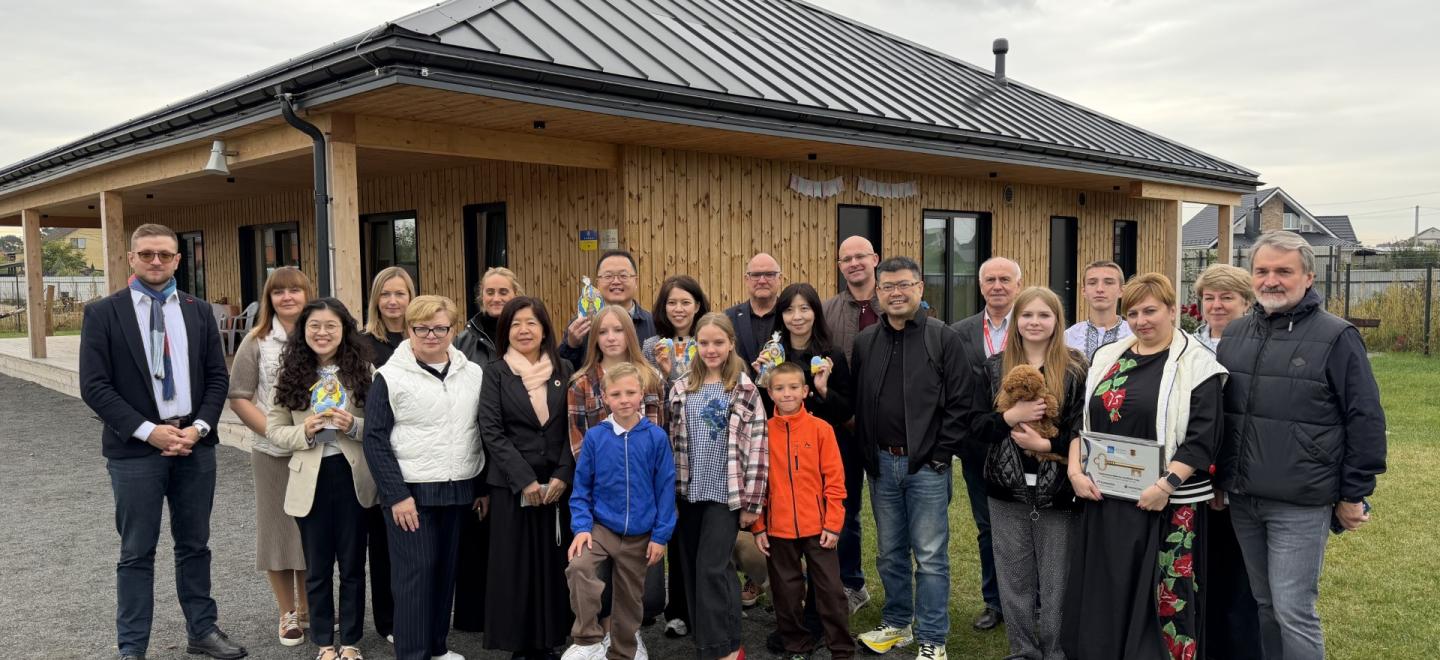
Healthcare is also critically vulnerable. The most important elements in strengthening the resilience of Ukraine's healthcare system are skills, education and systems that enable hospitals to continue operating during a crisis. In response, ESTDEV signed a cooperation agreement during the visit to build a rehabilitation centre in Zviahel. The 169,000 people served by this hospital currently lack meaningful access to modern rehabilitation services. Thanks to Estonia's substantial contribution, they will have a European-standard rehabilitation hospital within a couple of years.
The city of Zviahel and its people are another key motivation behind this major project. They are not sitting back and waiting for foreign aid; they are actively contributing at every stage. While Estonia is contributing to the construction itself, a substantial part of our efforts will also focus on the centre's operations and workforce. Our goal is to build a healthcare facility that is resilient to crises, both in its substance and in its physical design.
In addition to fighting and surviving a full-scale war, Ukraine has invested enormously in developing its digital state and has made digital services an integral part of people's lives. But even the best digital service needs electricity and connectivity to function. Maintaining communications networks and services is therefore just as much a part of national resilience as the electricity grid, hospitals or schools.
Estonia's development cooperation also plays a role in this area. We can help strengthen systems that must keep functioning even when infrastructure has been attacked. In doing so, we help build a more resilient state whose people and systems can keep operating during wartime and emerge stronger after the war.
Beyond reconstruction, we have the capacity, the responsibility and the desire to help build and sustain the will to win at a time when Russia is doing everything in its power to break the Ukrainian people. For us, supporting Ukraine and sharing our expertise is a direct contribution to Estonia's security and to Europe as a whole.
That is why our goal cannot simply be to help Ukraine survive one winter, although this is also a vital task for the international community as the coming winter approaches. Our goal must be to help build a country that can continue to function through the next winter, the next attack and the next crisis.
Related Articles