ESTDEV supports STEM education for girls, bringing Estonian educational innovation to Ukraine, Kenya and Uganda
In 2026, the Estonian Centre for International Development (ESTDEV) has funded various initiatives in Ukraine, Kenya and Uganda to build girls' self-confidence and creativity through science, technology, engineering and mathematics (STEM) education.
"Girls' access to technology education directly addresses challenges related to gender stereotypes and labour shortages in certain sectors," said Gertha Teidla-Kunitsõn, ESTDEV's head of Education. "These are fields where young men have traditionally played a larger role, and this disparity has created a situation where it is significantly more difficult for girls to enter the world of STEM."
Unicorn Squad encourages Ukrainian girls to explore robotics
Thanks to ESTDEV funding, the Estonian technology programme, HK Unicorn Squad, is now active in Ukraine. Its goal is to prepare girls aged 8–11 to participate in the IT sector in the future. This year, a total of 300 girls in Zhytomyr and Malyn will participate in the programme, with classes led by local instructors trained in Estonia. When robotics and technology education are offered as extracurricular activities, they are free from grades and tests, allowing the girls to focus on enjoying the process of discovery without worrying about making mistakes.
The project comes on the heels of a 2025 applied study that analysed dozens of previous research papers and included interviews with girls, parents, and instructors. The study found that the timing of exposure to STEM is critical: interest in technology must be sparked before age 11, as it becomes much harder to do so later. Group composition is another important factor. In mixed groups, boys tend to take charge of the tools, leaving the girls to take notes. In all-girl groups, however, the girls themselves can actively engage in hands-on work and experimentation.
Hands-on learning that challenges stereotypes
While HK Unicorn Squad works with young girls, STEM4Girls, a project led by the Estonian startup Praktikal Education, will focus on keeping the momentum going for girls aged 13–17 in the Zhytomyr Oblast.
Although women make up the majority of higher education graduates in Ukraine, they account for only 14 percent of those in technical and natural science fields. This is not due to a lack of ability, but rather to stereotypes and limited opportunities. Interest in the natural sciences tends to wane between 8th and 11th grade, right before students choose which career path to follow. Three main reasons drive this decline: the subjects seem too abstract; students lack a safe environment for experimentation; and there is a shortage of inspiring female role models.
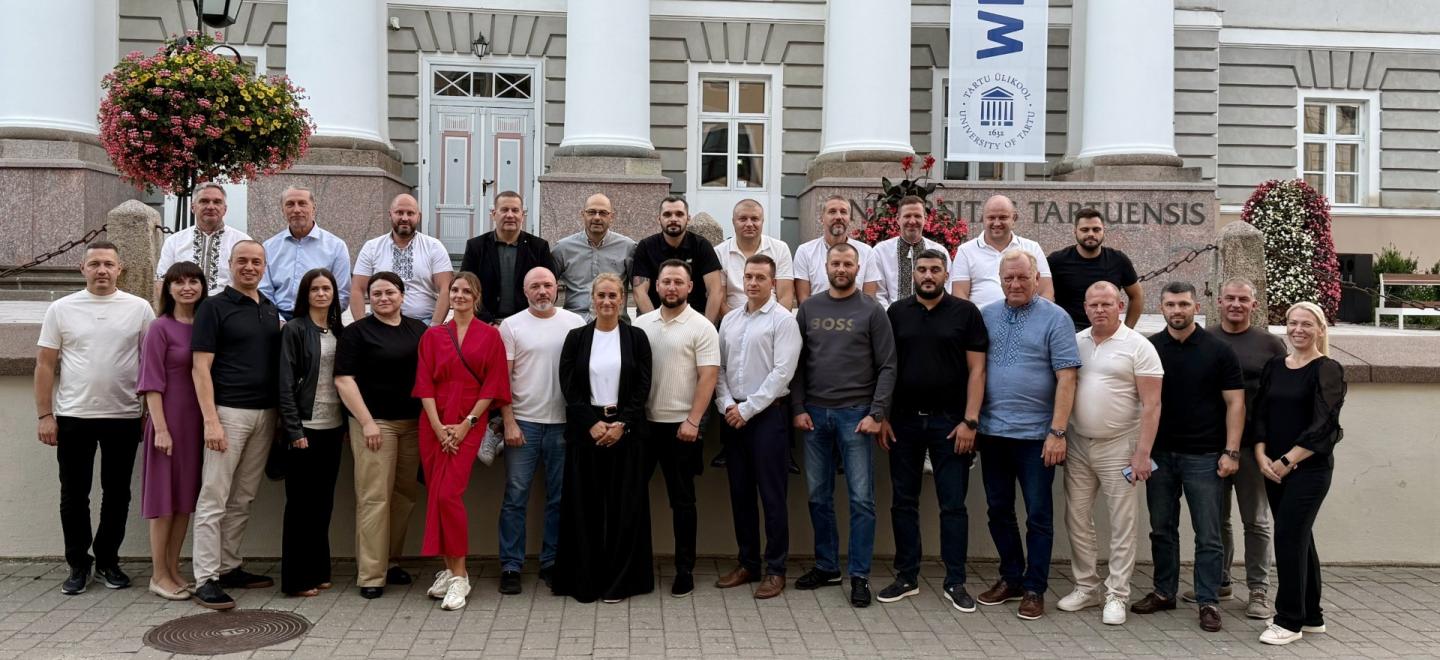
To overcome these obstacles, STEM subjects are being made more interactive and inspiring with Estonian teaching materials. In September, Estonian experts trained 16 teachers from seven schools in Ukraine. In October, these teachers will open clubs for girls, allowing them to conduct hands-on chemistry experiments using specialised kits. Now that the teachers have access to reusable tools and exciting new teaching methods, the goal is to spread this knowledge and reach an additional 80–100 teachers and 700–1,000 new students.
Girls in Africa encouraged to boldly experiment with ideas
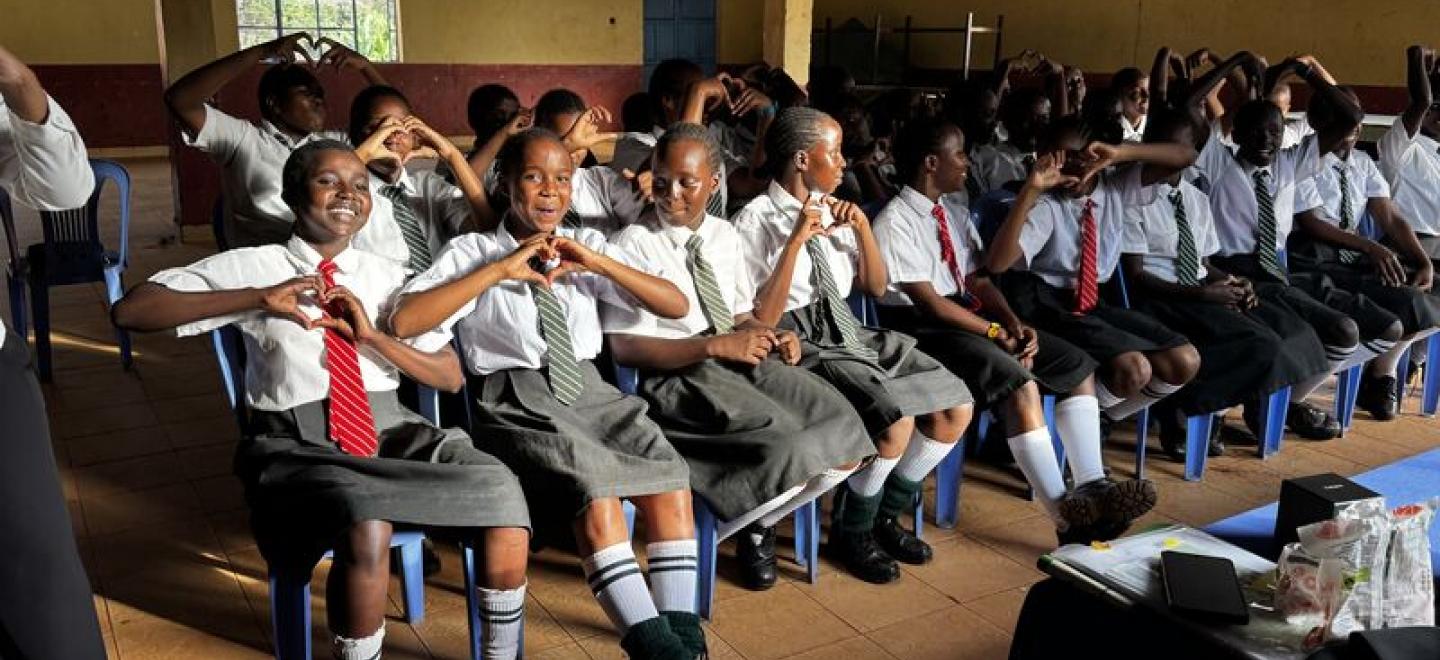
Estonian STEM education models have travelled beyond Ukraine and found practical applications in Africa. With ESTDEV funding, Vivita has launched its "Girls Prototype" programme in Kenya and Uganda. The initiative brings Vivita's prototyping methodology to eight pilot schools and will reach more than 240 girls. The programme aims to foster creative problem-solving and self-confidence among girls by demonstrating that innovation does not require expensive equipment—curiosity and the courage to experiment are enough.
In preparation, an Estonian team conducted a practical training course with 16 local teachers. The course focused on shifting mindsets: teachers no longer have to be “all-knowing”; instead, they can see themselves as supportive mentors who work with children as active participants in their own learning journeys.
Through these programmes, Estonia is working with partner countries to create supportive environments where girls can grow into confident decisionmakers and explorers. As Teidla-Kunitsõn said, "Quality education helps cope with daily challenges. We want to see a move towards more inclusive education, where teachers are supported, students enjoy learning and education itself holds increasing value in society.”
Related Articles