Transforming textile waste into new opportunities: Nairobi students put circular design into practice

Kenyan students are transforming textile waste and used clothes into new products at the Nairobi Circular Design Hub, an initiative supported by Estonian and Kenyan partners aiming to put circular design principles into practice.
Textile waste is a monumental environmental challenge around the globe, but especially in Kenya, Africa’s largest importer of secondhand clothing. At Kenyatta University in Nairobi, however, students are learning to see discarded textiles as innovative materials.
Established as a collaboration between the Estonian Academy of Arts (EKA), SEI Tallinn and Kenyan partners and funded by the Estonian Centre for International Development (ESTDEV), the Nairobi Circular Design Hub has become a permanent space where students can experiment with circular design principles, develop sustainable business ideas and gain hands-on experience working with textile waste and used garments.
The project goes beyond teaching technical design skills. At its core is a shift in mindset: helping future designers understand their role in reducing waste and creating more sustainable consumption patterns.
“To reduce the amount of fabric waste that ends up in landfills, fashion designers and consumers of textiles play critical roles. We should design with the end in mind, so that we create garments that will last long and can be reused. Fashion designers should move away from fast fashion and focus on designing long-lasting clothes,” said Margaret Kaikai, a fourth-year fashion design and marketing student.
This emphasis on sustainability is reflected throughout the learning process. Students are encouraged to think critically about material use, waste reduction and product longevity from the earliest stages of design.
According to Jacqueline Kisato, lecturer and head of the Fashion Design and Marketing Department at Kenyatta University, the impact of the Hub can already be seen in the way students approach their work.
“Students now pay more attention to the amount of material they use and how to cut it so that it is more sustainable. They also think about how to reuse materials or make new products from waste. Students are very keen to ensure that their products are environmentally friendly and also appeal to customers,” Kisato said.
The project builds on knowledge and methodologies developed by EKA's Sustainable Design and Materials Lab and adapts them to the Kenyan context. Through regular workshops and mentoring, students learn how to use locally available textile waste as a valuable resource while developing the skills needed to launch sustainable businesses of their own.
Today, the Nairobi Circular Design Hub has firmly established itself within Kenyatta University’s facilities and academic programme. Students have multiple opportunities each week to work with textile waste, test new ideas and collaborate with both Kenyan and Estonian mentors.
“We are very pleased that the Nairobi Circular Design Hub has found its place within Kenyatta University’s facilities and academic programme, offering students several opportunities each week to practically explore circular design principles and work with textile waste and used clothing,” said Margaret Aus, a senior researcher at EKA. "The first collections are currently being developed and will be showcased at a fashion show taking place in November."
The Hub’s impact is also designed to last beyond the project itself.
“Equally important is the fact that, after the project ends, the Circular Design Hub and its equipment will remain available to students as part of the university’s academic and alumni programmes,” Aus added.
By embedding circular design into university coursework and providing long-term access to equipment, expertise and mentorship, the project is helping build a new generation of designers who view waste as a resource and sustainability as an integral part of innovation.
The Nairobi Circular Design Hub is funded through ESTDEV’s 2025 call for proposals for African countries, where supporting innovation and the green transition was one of the priority areas.
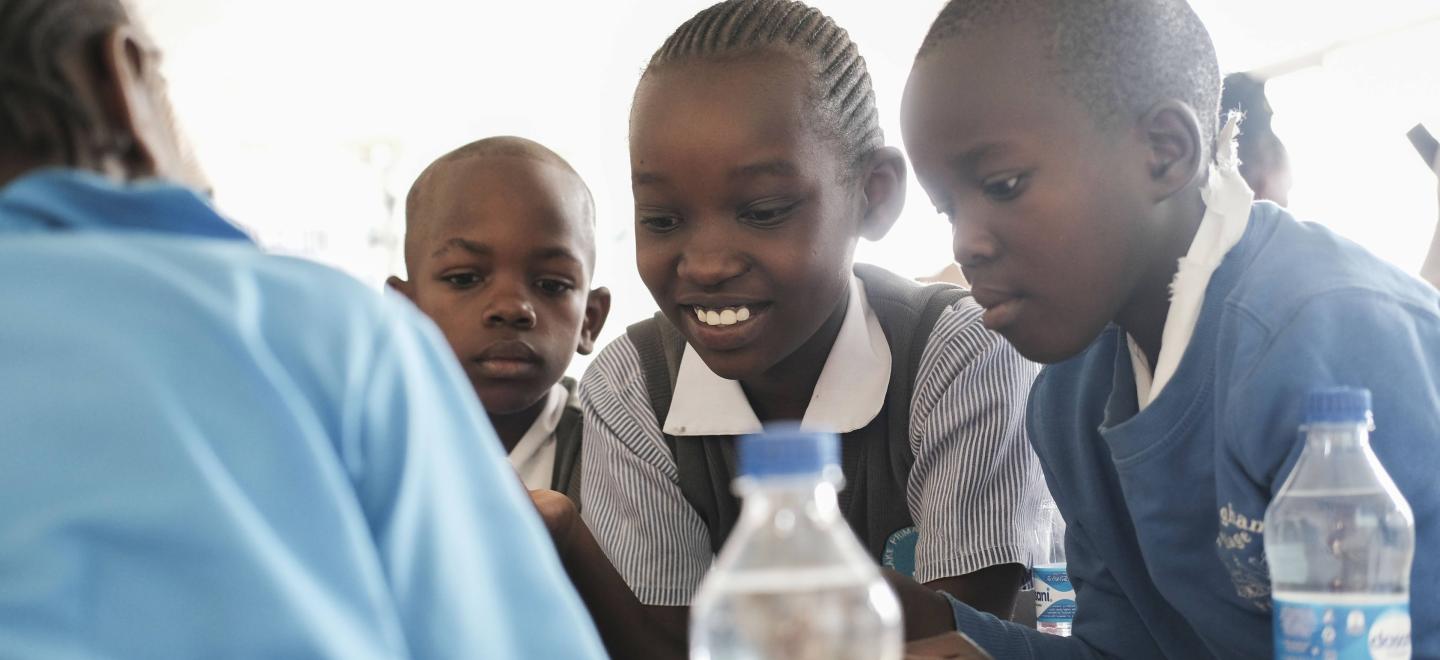
Photo: Pius Maundu I Nation Media Group
Related articles