Estonia and Finland join forces to implement EU digital governance project in Nigeria

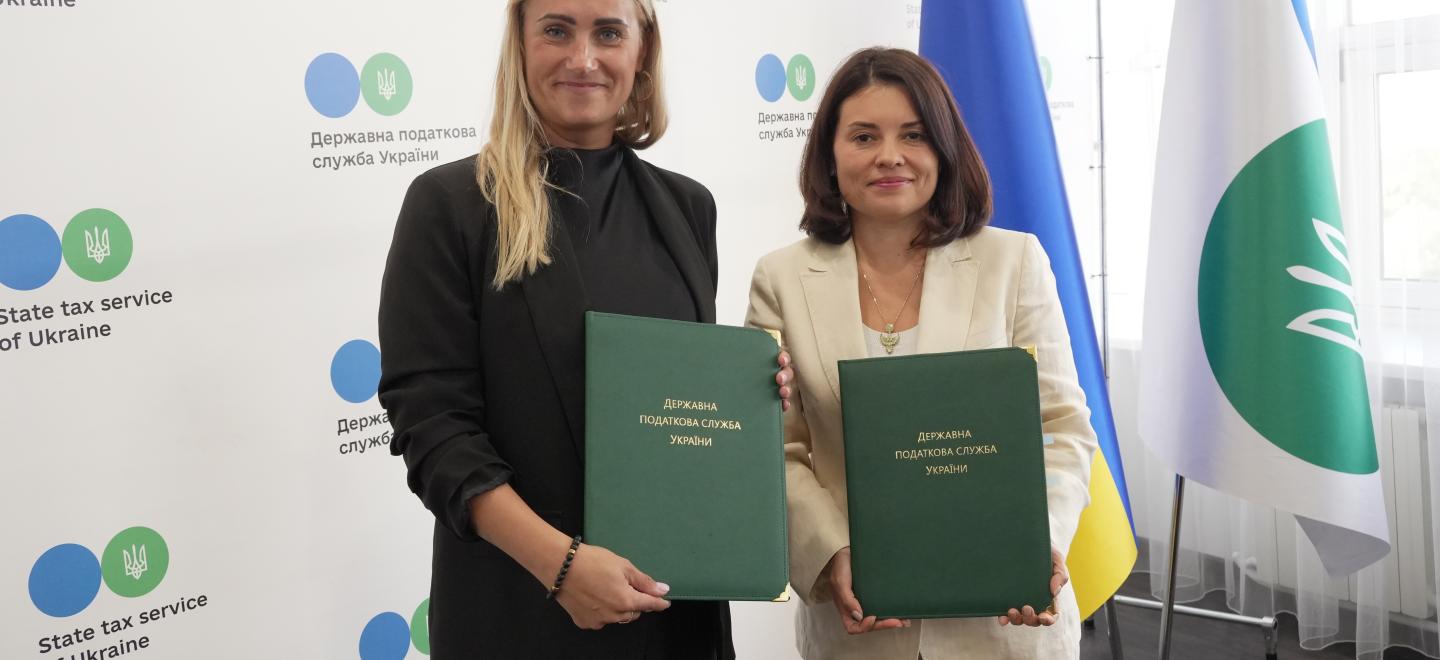
The European Commission, the Estonian Centre for International Development (ESTDEV) and the Finnish Institute for Public Administration (HAUS) have signed an agreement to carry out a digital governance and public sector innovation project in Nigeria.
The EU-funded, 23-million-euro initiative is part of the EU–Nigeria Digital Economy Package under the Global Gateway Strategy. HAUS and ESTDEV will lead implementation. ESTDEV will be responsible for managing approximately 8 million euros to implement project activities over the next three years.
This joint initiative was first announced during the visit of the EU’s High Representative for Foreign Affairs and Security Policy Kaja Kallas to Abuja this spring. “In the current geopolitical context, the European Union is keen to enhance its partnership with Nigeria. Bringing more EU investment to Nigeria, aligning with the Renewed Hope agenda for the Nigerian Federal Government is a key priority for both sides in this regard,” said Kallas at the EU-Nigeria high-level meeting in March.
Aligned with Nigeria’s National Digital Economy Policy (2020–2030), the programme will boost interoperable, citizen-centred services, cybersecurity, data protection and institutional capacity.
ESTDEV will cover three main activities within the project framework:
- consulting on policy and framework design, including interoperability, roles and responsibilities harmonisation in beneficiary organisations and data management topics in general;
- creating a data exchange framework and layer based on Estonia’s X-Road experience;
- establishing a training and experience centre that focuses on hybrid training, knowledge management and train-the-trainer programmes with links to Nigeria’s national 3 Million Technical Talent programme.
The implementation of X-Road in Nigeria is more than a single technical project. It is a central building block of GovStack and a core component of the EU’s Digital Public Infrastructure (DPI) offer. Nigeria joining the GovStack user community would be groundbreaking, as it would make the country the most populous in the world to use X-Road, potentially swaying other countries to implement the GovStack framework.
Estonia’s participation opens the door to one of the largest markets in Africa
“Estonia is internationally known for its unique ability to build a well-functioning, citizen-centered, secure, and open digital state. Therefore, Estonia is one of the few countries capable of sharing its expertise and taking a leading role in such projects,” said Andres Ääremaa, programme manager for e-governance and cybersecurity at ESTDEV.
“Participation in the Nigerian digital project opens the door for Estonian entrepreneurs to one of the largest markets in Africa. The request from the Nigerian government to include Estonia is an example of the quality of Estonia’s e-government and the ability of Estonians to share experiences,” said Daniel Erik Schaer, the Estonian Ambassador to Kenya and South Africa.
This initiative creates a unique opportunity to apply Estonian digital and cyber competencies in a country with a population of over 200 million. Offering Estonian companies and the state the chance to apply their experience on such a large scale will provide valuable references for future projects in a rapidly growing, competitive environment, while also providing Estonian companies with a foothold in the African market.
Project activities will be implemented in collaboration with several Nigerian government agencies: the Federal Ministry of Communications, Innovation and Digital Economy (FMCIDE), the National Information Technology Development Agency (NITDA), Galaxy Backbone Limited (GBB), the National Identity Management Commission (NIMC), and the Nigeria Data Protection Commission (NDPC).
Estonia’s strategic priorities in Africa include promoting business diplomacy through digital cooperation, strengthening good governance practices, and developing skills and technological capacity. Nigeria is a central pillar of West Africa’s digital ecosystem, where systemic reforms in the digital sector have a broad impact across the entire region.
Related articles