Tallinn Mechanism members meet in Italy: international interest in supporting Ukraine’s cyber resilience continues to grow
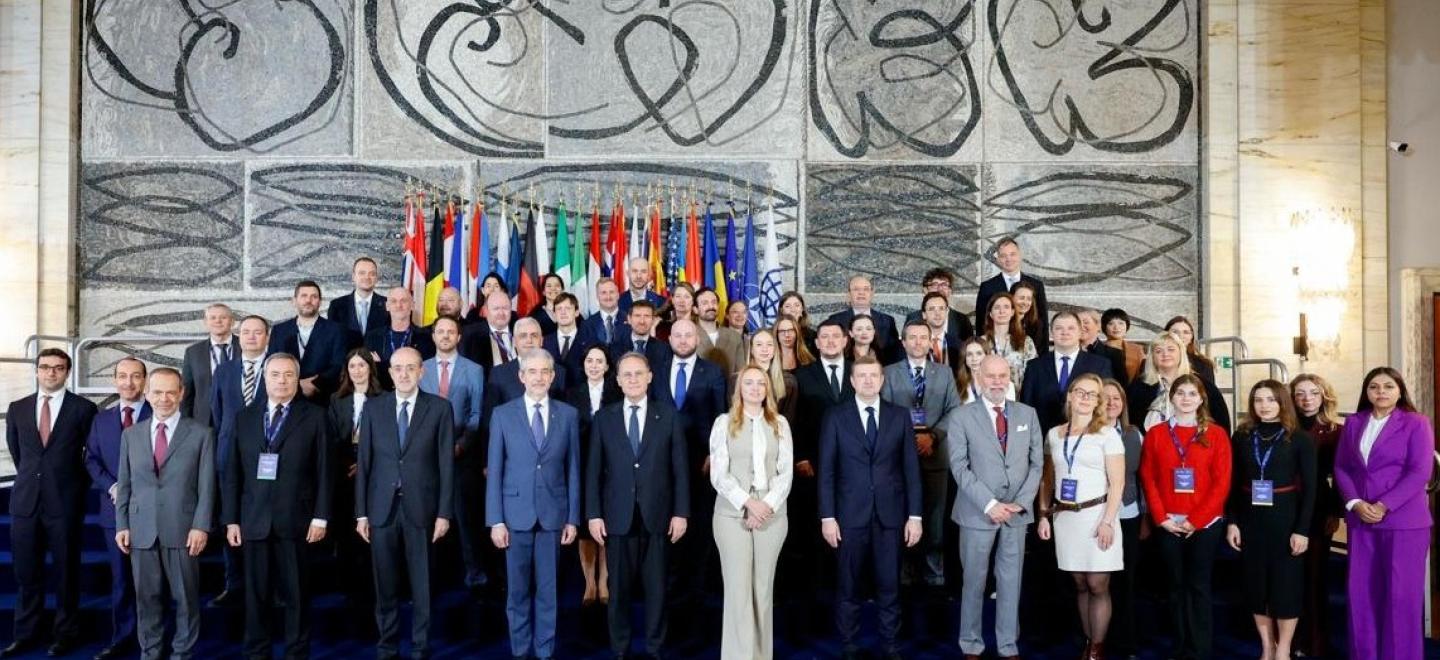
The Tallinn Mechanism held its semi-annual meeting in Rome chaired by lead nation Italy, bringing together representatives of the Mechanism’s member states and observer countries. The meeting also welcomed Spain’s accession to the Mechanism.
According to Estonia’s Ambassador at Large for Cyber Diplomacy Helen Popp, the meeting reaffirmed the unwavering commitment of member states and observer countries to supporting Ukraine’s cyber resilience. “Russia’s war of aggression affects every aspect of life in Ukraine, and attacks continue in cyberspace as well. It is therefore extremely important to continue strengthening the cyber resilience of Ukraine’s civilian sector and to support the protection and development of the country’s critical digital infrastructure,” Popp said.
The discussions focused on the need to make the Tallinn Mechanism’s work more consistent, efficient and effective, particularly in implementing projects. The importance of public-private cooperation was also emphasised.
“For Estonia, the goal is to turn the international cooperation into practical solutions that strengthen Ukraine’s cyber resilience. At the meeting in Rome, ESTDEV shared with partners the lessons learned from implementing cybersecurity projects in Ukraine. Together with Estonian companies, we have the experience, network and competent teams needed to turn these lessons into action,” said Toomas Tirs, Tallinn Mechanism Front Office and ESTDEV’s Country Manager in Ukraine.
The meeting also formally approved Spain’s accession to the Tallinn Mechanism as its 15th member state. Japan was also officially granted observer status. At the invitation of Italy, the Mechanism’s current chair, eight countries attended a Tallinn Mechanism meeting for the first time and expressed interest in becoming members in the future.
“Spain’s accession confirms the Mechanism’s international significance and central role in the multifaceted cooperation to support Ukraine. It also demonstrates the Mechanism’s ability to engage an increasing number of countries that wish to make a concrete contribution to strengthening Ukraine’s cyber resilience,” Popp stressed.
Within the Tallinn Mechanism, ESTDEV plays a central role in planning and implementing joint projects. In addition to Estonia’s own contribution, ESTDEV has secured significant external funding to implement these projects.
ESTDEV has also funded the launch of the Tallinn Mechanism Platform to facilitate private-sector involvement, as well as the establishment of the Tallinn Mechanism Project Office (TMPO) in Kyiv. The TMPO coordinates the activities by Tallinn Mechanism member states and supports cooperation between Ukrainian institutions and international partners.
This year, more than €32 million has been allocated to cyber support for Ukraine through Tallinn Mechanism projects, of which approximately €700,000 has been contributed by Estonia. Estonia plans to provide a larger amount in 2027.
On 1 July, Italy took over the rotating chairmanship of the Tallinn Mechanism, also known as the lead country role, from the United Kingdom. Italy will lead the Cyber Support Working Group until the end of December this year. The meeting announced that Finland and Norway will become the Mechanism’s lead countries in the first quarter of next year.
The Tallinn Mechanism is a framework established by Estonia and its Allies to amplify the cyber support of donor countries for Ukraine’s civilian sector.
Related articles