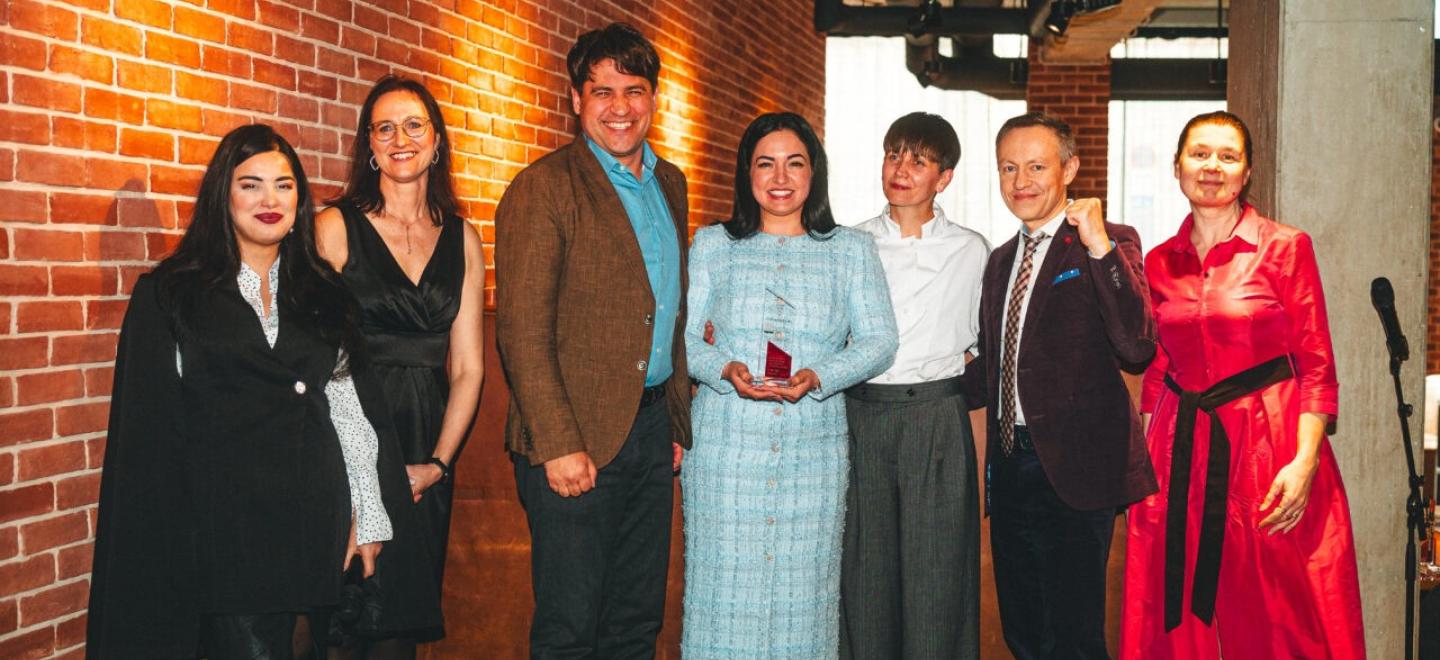
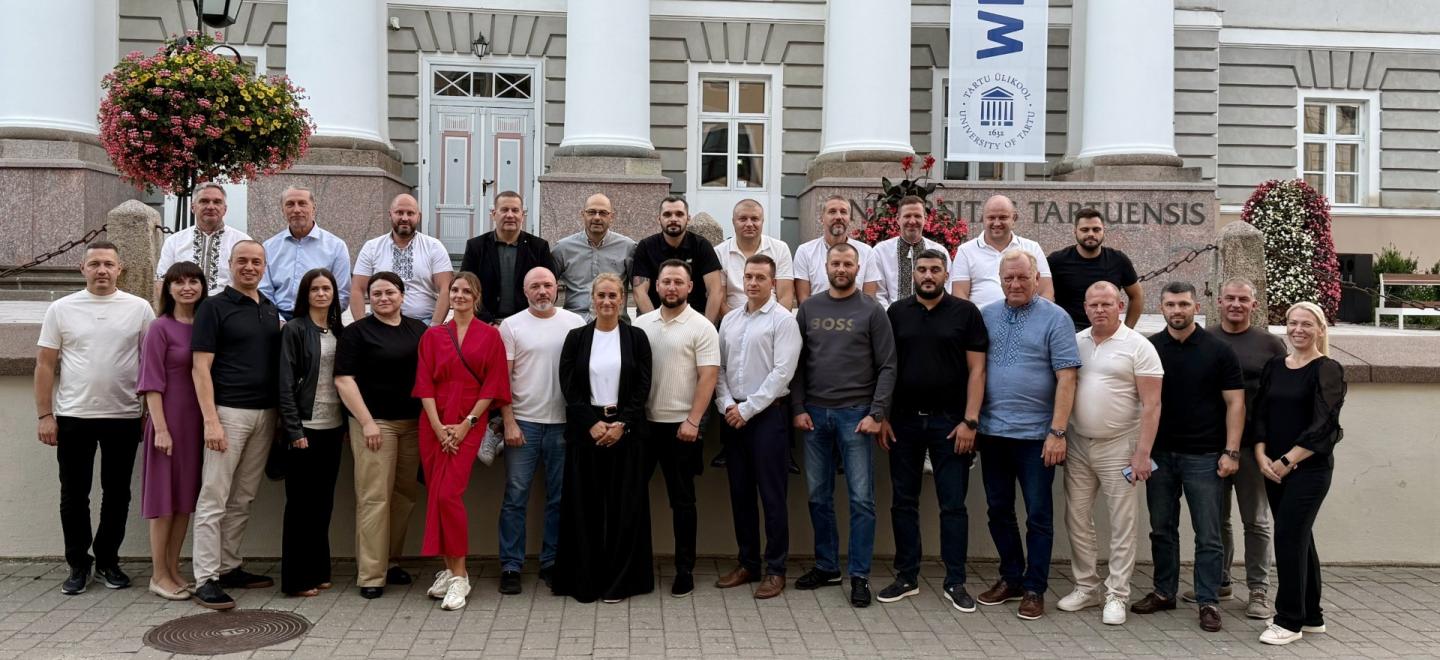
“Estonia may be a small country, but it is one of Ukraine’s biggest supporters on the path to EU accession,” says Ihor Ostash, Director of the Diplomatic Academy of Ukraine

Summary
Estonia has trained more than 1,000 Ukrainian diplomats who will participate in EU negotiations
The war has changed the nature of Ukrainian diplomacy, bringing more women into the foreign service and the development of e-services
Ukraine and Estonia have worked together on diplomatic training for more than 15 years
Author: Erko Litvjakov
On May 9, the world celebrates Europe Day, recognising the shared values of freedom, democracy, equality, human rights and the rule of law. These slogans reflect the everyday tools that help maintain and develop a peaceful, cooperative world order.
The partnership between Estonia and Ukraine is also built on these values. Training diplomats may not be the most visible form of support for Ukraine, but its impact is deep and long-lasting. It strengthens the country’s ability to participate in international cooperation and defend its interests within European institutions.
Estonia and Ukraine’s diplomatic training partnership began in 2009, eventually becoming the joint programme “Ukraine’s European Path,” created by the Estonian Centre for International Development (ESTDEV), the Estonian School of Diplomacy (ESD), and the Diplomatic Academy of Ukraine (DAU), with support from the Swedish Institute and the Stockholm School of Economics in Riga.
Over the course of five years, the programme has trained more than 1,000 Ukrainian officials and diplomats preparing to work with European institutions.
“Estonia may be a small country, but it is one of Ukraine’s greatest supporters on the path toward EU membership,” said Ihor Ostash, the director of the Diplomatic Academy of Ukraine and a diplomat with decades of experience.
War has changed the nature of Ukrainian diplomacy
As a result of the war of aggression, nearly six million people have left Ukraine, creating new challenges for consular services and Ukrainian diplomatic missions abroad. Significant changes have also taken place within the foreign service itself — many male diplomats have gone to the front lines, and women have increasingly taken over their roles.
ESD Director Ekke Nõmm recalls that when the war broke out, diplomat training moved online.
“Due to travel restrictions, we had to shift some planned activities to virtual platforms. At the same time, this allowed us to significantly increase the number of beneficiaries by involving diplomats working in many Ukrainian embassies. As a result, more than 1,000 Ukrainian diplomats and officials have participated in our various training programmes over the past five years,” said Nõmm.
Ostash added that the long-term, trust-based cooperation between Estonia and Ukraine has enabled Ukraine to rapidly digitalise several key consular services.
“Estonia is among the world leaders in e-governance and e-diplomacy. Thanks to Estonia, during the war, we were able to quickly launch an e-consul system, which has helped reduce the burden on our consular services,” Ostash explained. “The entire diplomatic corps is working toward one goal — Ukraine’s victory. Our greatest advantage is our friends, and Estonia plays a very important role here.”
According to Ostash, Estonia’s leadership in European security discussions has been a major source of support for Ukraine. Estonia’s experience with environmental protection and European Union regulatory alignment has also proven to be a valuable example for Ukraine.
Long-term impact and practical support
Eva-Maria Liimets, ESTDEV’s programme manager for Democracy and Rule of Law, stressed that long-term cooperation has been key to developing mutual trust.
“Sharing Estonia’s experience in e-governance and diplomatic training helps our Ukrainian colleagues ensure the continuity of services even under difficult conditions and supports their preparation for integration with the European Union. This clearly demonstrates how international development cooperation creates practical and lasting impact,” said Liimets.
Ostash added that Estonia’s contribution per capita is among the highest in Europe.
“Estonia is one of our most reliable partners, militarily, economically and politically. We are fortunate to have so many friends. Now there is only one hope left: that the war will end. Ukraine’s diplomatic service is doing everything it can to make that happen,” said Ostash.
Estonia’s first development cooperation efforts began with Ukraine back in 1998; since 2006, Ukraine has been one of Estonia’s priority partner countries. Today, Estonia’s cooperation with Ukraine focuses primarily on rebuilding the country, supporting integration with the European Union, strengthening democracy and the rule of law, developing educational and digital capabilities, and building resilient state institutions.
Related articles