Estonian expert shares what drives him to work on development cooperation initiatives in Ukraine
ESTDEV is introducing a new series giving a voice to our valued partners and experts. It is through the work of these individuals that Estonia's vision for development cooperation is brought to life.
One such person is Edmar Tuul, the lead expert for the hobby education development initiative in Malyn, spoke with us about his work in Ukraine.
What does a major development leap in extracurricular education mean?
Tuul: For meaningful development to take place, we had to review everything from teaching, management and school culture to documentation and the system as a whole. With teachers, we worked on learner-centred approaches to education, teaching methods, feedback, curriculum development, motivation and cooperation. With school leaders, we focused on strategic management and school culture. We organised training sessions, youth seminars, coaching, supervision and study visits to Estonia.
Working with documentation was equally important. We helped establish the school's core documentation, including its statutes and documents governing educational activities to curricula and the school's first three-year development plan. A document is not an end in itself but an agreement on how the school operates and where it wants to go. Together with the Malyn City Government, we also worked on a strategy for extracurricular education and activities across the city. Nearly a thousand people contributed through surveys and co-creation sessions. The aim is to adapt the model developed in Malyn for use elsewhere in Ukraine in the future.
As the lead for this development initiative, I also brought youth work into the project. Youth work in Ukraine has not developed in the same form that we know it in Estonia. During wartime, young people need to have safe places beyond school, trustworthy adults, opportunities to participate, and room to dream. It is impossible to ignore the impact of the war, which is why trauma-awareness training was offered to teachers, parents and young people.
What are everyday work and life like in Ukraine?
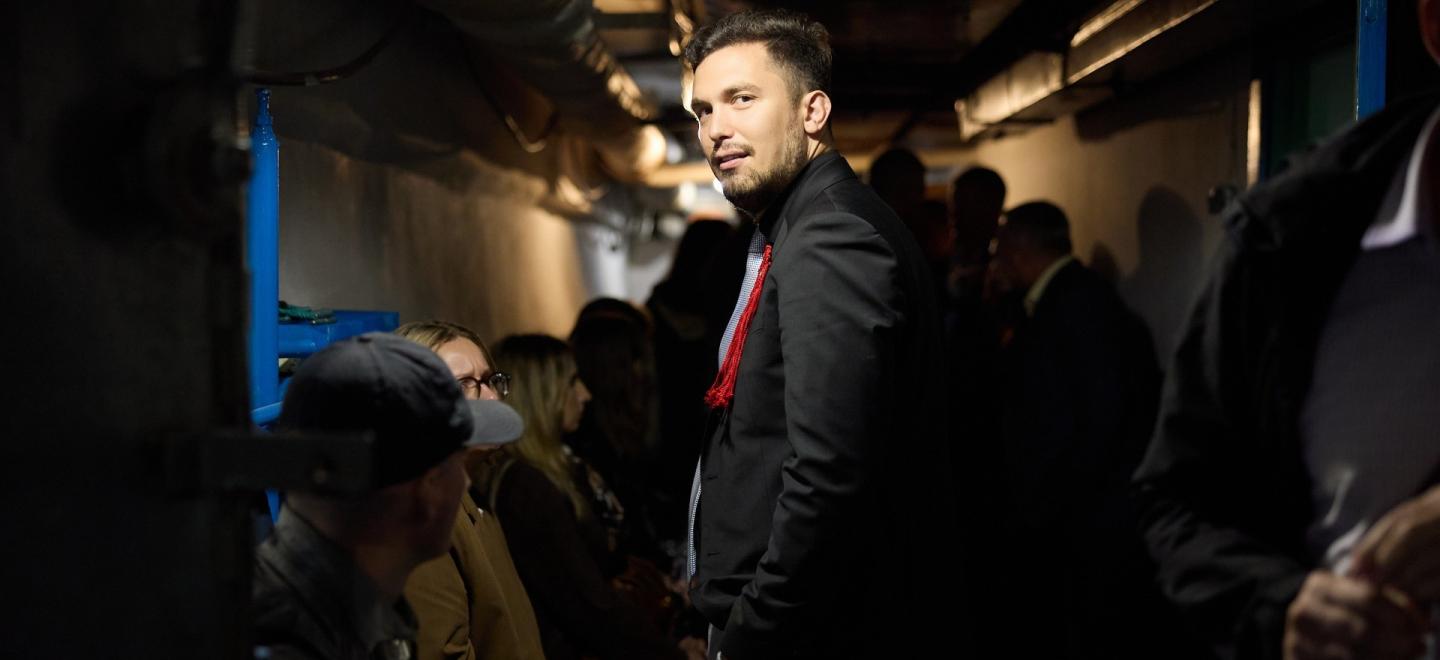
Tuul: At times, Ukraine seems deceptively normal. The sun is shining, people are laughing and children are talking about their plans. Then the air-raid siren goes off. Computers are shut down, conversations are cut off mid-sentence, and everyone moves to the shelter. Through this contrast, I have come to know Ukraine over the past year, and it is important to understand our work in Malyn in this context as well.
What role do Estonian experts play in rebuilding Ukraine?
Tuul: We do not take ready-made solutions to Ukraine. Instead, we share our experience, contribute our ideas and help create something that responds to local needs. Our role is not to build Ukrainians' future for them. Our role is to stand alongside them, provide support and work together until they can build their own tomorrow.
When someone destroys, someone else must build. Not only houses, but also trust, education, communities and faith in the future.
- Tuul
How do you maintain hope when war destroys it?
Tuul: When someone destroys, someone else must build. Not only houses, but also trust, education, communities and faith in the future. I think most about the children. Some of them do not remember, or have never even known, their homeland when there was no war. And yet they laugh, learn to play instruments, dance, paint and dream about the future just like our children do.
What kind of future are you working to build in Ukraine?
Tuul: One day, I want to return to Ukraine and find that air-raid sirens, shelters and interrupted sentences are no longer part of everyday life. That drones and missiles no longer fly over children's plans for the future, that the needs of war no longer drive our cooperation, but friendship and the desire to build something better together. That Ukraine can simply be Ukraine. Beautiful. Alive. Free.
That is why I do this work.
Related Articles