School girls in Kenya gain confidence in science and technology through Estonia–Kenya STEM Initiative

The Center for International Voluntary Service (CIVS) Kenya and NGO Mondo have completed a pilot program in Kisumu, Kenya, introducing the Estonian HK Unicorn Squad STEM hobby education methodology to boost girls’ interest in science and technology.
The ESTDEV-funded project “Adapting and Piloting the HK Unicorn Squad Model in Kenya” focuses on girls aged 9–11 and has equipped three schools in the Kisumu metro region with STEM clubs, teaching materials and teacher training to make science learning engaging, practical and accessible. Kisumu is located near Lake Victoria and is Kenya’s third-largest city. The metro region has a population of about 1.1 million people.
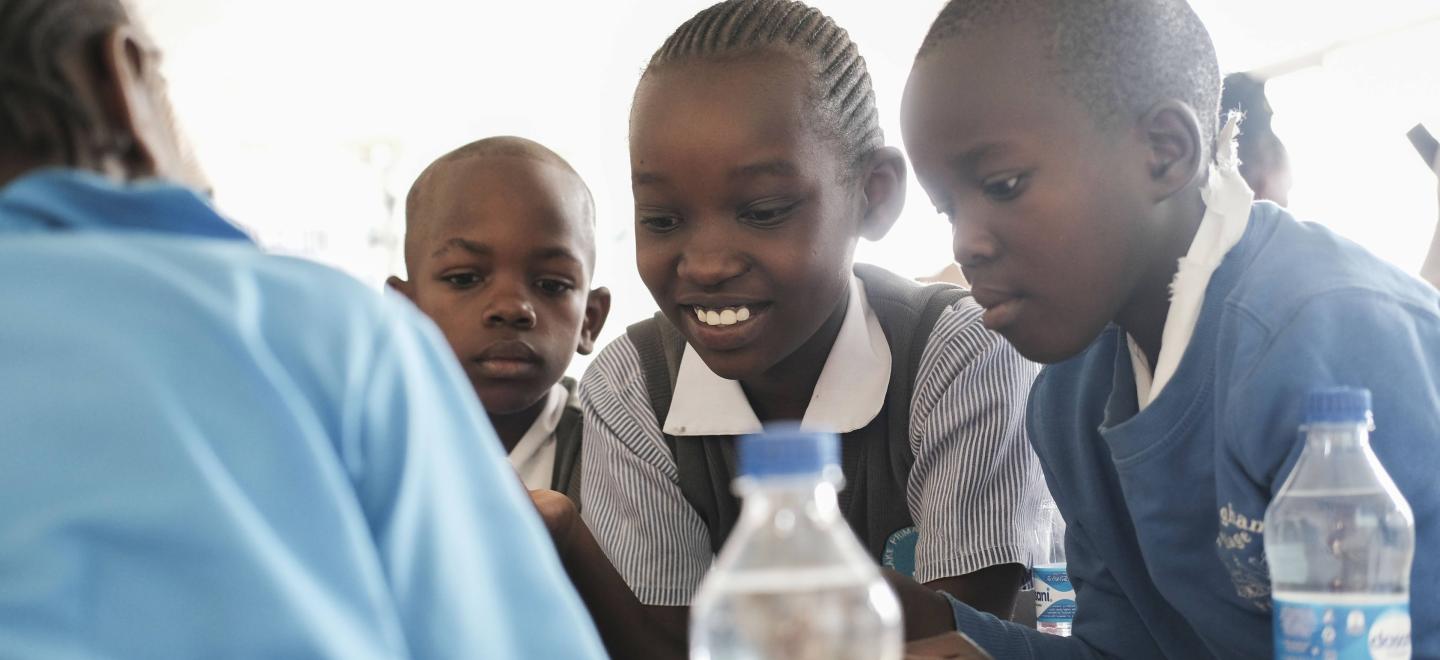
More than 300 girls have taken part in weekly STEM clubs at St Christopher’s Kolunga Comprehensive School, Lake Comprehensive School and Orinde Comprehensive School, where they’ve been introduced to robotics, electronics, engineering principles and coding through a discovery-driven approach. Educators received training in Unicorn Squad’s teaching methodology during a workshop in July 2025, providing them with the opportunity to embed these new skills into their everyday teaching practice.

Estonian Ambassador to Kenya Daniel Schaer interacting with children in Kisumu. Photo: Emily Mirelle Vutt.
“As teachers, we have seen a real change in how girls approach science,” said Hadah Ageyo, a STEM-club teacher at Orinde Primary School, during the conference. “They are more curious, more confident and willing to take on challenges. The Unicorn Squad method has helped us move from theory-based teaching to practical, learner-centred lessons. It also strengthens teachers’ professional development, equipping us with new skills and knowledge to apply in our everyday classroom practice.”
A group of 30 outstanding girls from the three schools were selected for a three-day STEM Bootcamp, where they collaborated across schools, built prototypes and strengthened their skills before presenting their projects at the STEM Bootcamp Finale Conference held on 6 December in Ahero, Kisumu County. The event brought together learners, teachers, county education officials, Kenyan foundations, STEM organisations and representatives from Estonia. At the conference, STEM Club and Bootcamp participants showcased projects, including robotic models, simple circuits and engineering structures. Teachers also shared how they had integrated the Unicorn Squad methodology into their classrooms.
“The experience in Kenya demonstrates just how great the potential of girls in STEM truly is,” said Kristi Kulu, ESTDEV’s programme manager for Education. “This pilot project has become part of a local education programme that brings practical, inclusive, and future-skills-oriented learning closer to every girl. STEM improves technical knowledge while building creativity, problem-solving skills and confidence in working with technology. When girls are given the opportunity to experiment and learn by doing, entirely new pathways for development and future career choices open up.”
This project builds on Estonia’s long-standing commitment to supporting inclusive digital development globally. Estonia’s own transformation into a world-leading digital society began with investments in children’s digital literacy, teacher training and nationwide access to technology. Sharing this experience is a core part of Estonia’s development cooperation mandate, especially in countries where digital skills can significantly expand opportunities for young people.
“When we look at the path Kenya is on today, it reminds us very much of the journey Estonia began in the 1990s, starting with almost nothing and building something remarkable from the ground up. The potential here in Kenya is enormous, and it gives us the chance to create something just as meaningful,” said Taavi Kotka, co-founder of HK Unicorn Squad. “What impressed me most was that when the first attempt to build a model didn’t work, the girls simply went back to their table and tried again. The appetite for technology and innovation is truly there.”

Programmable educational robots for teaching coding, robotics and problem solving. Photo: Emily Mirelle Vutt.
Conference organisers highlighted several early results of the pilot:
Increased girls’ interest in science and technology
Improved confidence, teamwork and participation in class
Stronger adoption of interactive, learner-centred teaching methods
Active engagement in STEM Clubs supported by school leadership and parents
Creation of functional prototypes, circuits and engineering models during the programme
“It all starts with sparking girls’ interest in science,” said Hanna Marta Lunge, Mondo’s country director. “For that, teachers and educators must believe in girls just as much as in boys. We need to give girls the space to grow and thrive in science and help them believe that anything is possible.”
Initiatives like this demonstrate how Estonia’s digital expertise and education models can be adapted to different contexts, helping partner countries meet their own development goals while strengthening global cooperation. Supporting girls’ digital skills abroad also aligns with Estonia’s broader values: equal opportunity, education for all and inclusive digital societies.
Looking ahead, HK Unicorn Squad will gather feedback from teachers and schools to refine the approach and assess what worked best during the pilot. The broader aim is to understand how a sustainable and scalable STEM model could strengthen girls’ digital skills and support Kenya’s long-term innovation capacity.
The Unicorn Squad pilot in Kenya was funded through ESTDEV’s development cooperation programmes, which support digital transformation, education and gender-responsive skills development. Estonia’s broader goal in Kenya is to contribute to inclusive digital development and strengthen opportunities for children and youth through quality education, digital literacy and practical skills for the future.
Related articles